
5 Things I Wish More People Knew About Scuba Travel (From Someone Who’s Made All the Mistakes So You Don’t Have To)

Let’s be real — scuba travel is way more than hopping on a plane and diving into paradise. After more than 6,000 dives and helping plan trips for everyone from wide-eyed beginners to shark-seeking pros, with 5000.00 camera rigs. I’ve seen the good, the bad, and the beautifully bizarre.
Most people think the magic happens underwater — and it does — but the stuff around the dives? That’s what can make or break your entire trip. Flights, gear, weather, logistics, boats, crew chemistry — all of it matters more than you think.
So if you’re dreaming about your next big dive adventure, here are five things I really wish more people knew. These are the lessons learned from years of leading groups, fixing on-the-fly problems, and watching it all unfold — sometimes perfectly, and sometimes with a “we’ll laugh about this later” shrug.
1. Timing Is Everything (And It's Not Just About Weather)
Avoiding hurricane season is a good start, but it’s just the tip of the iceberg. The best dive destinations are ruled by nature’s schedule — not yours. That bucket list hammerhead dive in Bimini? Did you know there’s a narrow window when they actually show up? Whale sharks in Mexico? Same deal.

Currents, visibility, water temperature, and even plankton blooms (which can cloud your viz and make the divesite look like a bowl of soup) all depend on seasonal shifts. Book at the wrong time and you might still get wet —A week of monsoon rains will get you very wet — but it won’t be the dream trip you imagined. The best dive trips happen when you time your visit with the ocean, not against it.
2. Liveaboard or Land-Based? Know Your Dive Personality
Liveaboards are my personal favorite for getting to remote, high-quality dive sites. You unpack once, dive like a maniac, and enjoy every sunset from the deck with a cold drink in hand. But that’s not everyone’s style.
Some divers want a relaxed pace — sleep in, do two dives, and spend the afternoon exploring a local village or just lounging on the beach. Perhaps you want to bring your non-diving partner and split time between ocean and culture. Neither is wrong — but knowing what you want from the trip makes all the difference in how satisfied you’ll feel.

Pro tip: if you’re unsure, combine both. I’ve planned a ton of trips where divers do a liveaboard and tack on a few days in a cool town for topside fun before heading home. It’s the best of both worlds.
3. Not All Dive Ops Are Created Equal
This one’s big. A shiny website or low price tag doesn’t mean you’re in good hands. I’ve worked with operators who goabove and beyond — meticulous safety checks, passionate local guides, small groups, and an eye for comfort. And I’ve also seen boats where gear was barely maintained and the “dive briefing” was just a vague wave toward the water.
What really matters?
Experienced staff who care more about your safety than rushing the schedule
Equipment that’s checked regularly and maintained properly
Clear, consistent communication and honest answers
A dive plan that respects the ocean and the divers

If you don’t know how to spot the difference, that’s exactly where a good travel advisor comes in. I've worked in diveshops and visited countless. I know what I am looking for. I’ve done the legwork — so you can spend more time enjoying the dive and less time wondering, “Is this safe?”
4. Travel Days Matter More Than You Think
You can have the best diving in the world lined up — but if your luggage doesn’t arrive, your connecting flight is delayed, or your transfer doesn’t show, guess what? You’re not diving.
Scuba travel comes with extra layers of logistics:
Oversized gear bags and airlines and transfers with strict baggage limits
Remote locations with complicated transfer routes
Flight delays that cut into dive windows or leave no time for check-in
That’s why I always recommend buffer days. Arrive a day early. Give yourself space to adjust. Pack your essential gear — mask, computer, dive log, prescription lenses — in your carry-on. And if you're flying after your last dive, make sureyour itinerary builds in adequate surface intervals. These small details can save your trip.
5. The Right Buddies Make All the Difference
Whether you're traveling solo or joining a group, your fellow divers can totally shape your experience. I’ve led groups where strangers bonded over a shared love of critter spotting or swapped stories over rum punch after a night dive. I’ve also seen trips where people had wildly different expectations — and let’s just say, tension at 6 a.m. isn’t how anyone wants to start their dive day.
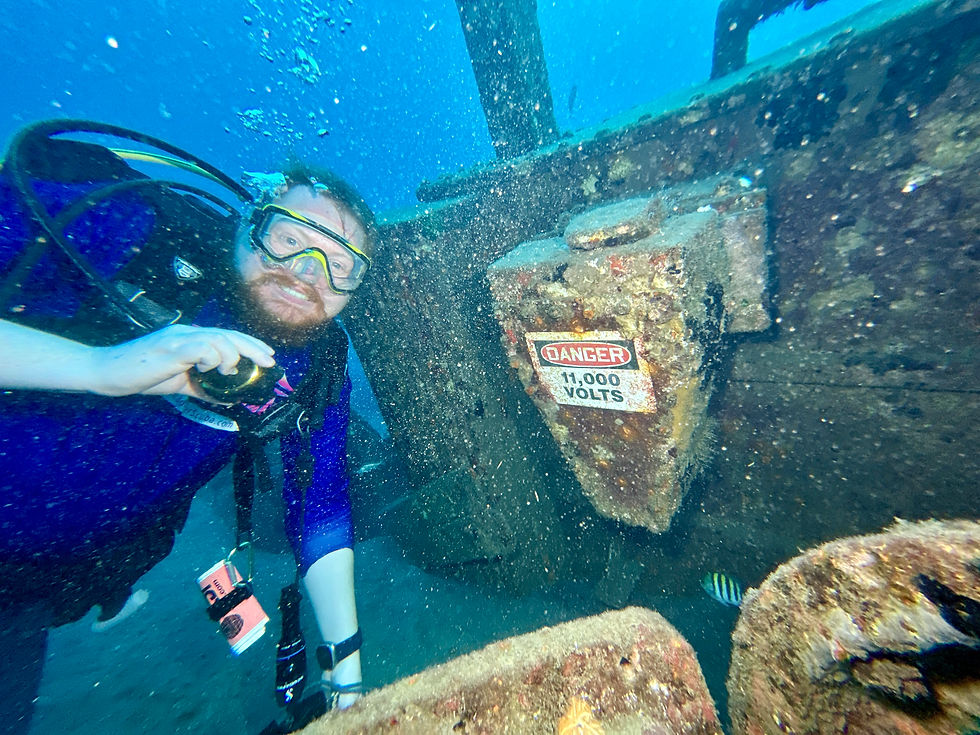
The best dive trips feel effortless because the vibe is right. People are there for the same reasons — adventure, fun, exploration. That’s why I work hard to match divers with the right trips or help build private groups that share the same energy. Whether it’s a week of high-octane shark dives or a relaxed schedule with photo coaching and afternoon naps, the key is matching the trip to the people.
Final Thought
Diving might be the heart of the trip, but everything around it — timing, planning, and logistics — that’s the soul. And when it all lines up? That’s when the magic happens.
If you’re ready to stop winging it and start diving into trips that actually fit your style, I’m here to help.
Reach out anytime to chat about your dream destination, or join my email list for insider tips, upcoming group adventures, and destination inspiration.
Let’s plan something epic — and done right the first time.
—Chris Lucas | SeaLuke Scuba Travel
Dive Group Leader. Scuba Instructor. Fellow Adventure Travel Addict


Comments